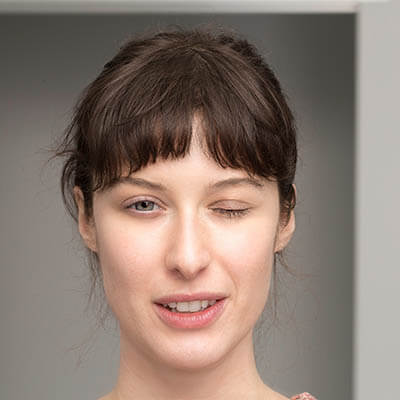
As a neurologist specialising in MS care, Dr Sophie Driver provides comprehensive assessment, diagnosis, and ongoing management. She offers access to the full spectrum of MS therapies, including the highest-efficacy disease-modifying treatments (infusion and injectable therapies), and carefully monitored long-term care. Sophie supports patients through relapse management, symptom control, and coordination with allied health providers to optimise mobility, energy, and overall quality of life.
Migraines and Headaches
Dr Driver provides a thorough evaluation of migraine and headache disorders to identify triggers, confirm diagnosis, and tailor treatment. She offers a full range of modern therapies, including Botox® injections for chronic migraine and injectable CGRP-targeting therapies, both of which are highly effective options for reducing headache frequency and severity. Sophie also performs bedside greater and lesser occipital nerve blocks, which can provide significant relief for people with chronic headaches by reducing inflammation and interrupting pain signals from the back of the head. Sophie additionally guides patients in lifestyle strategies, prevention plans, and acute symptom management to support long-term control and improved quality of life.
Epilepsy
For patients with epilepsy, Dr Driver provides detailed diagnostic assessment—including EEG review and imaging—to determine seizure type and the most appropriate treatment plan. She prescribes and monitors anti-seizure medications, offers safety counselling, and supports patients in achieving optimal seizure control. Ongoing follow-up ensures treatment is effective and adapted to life changes, work, and wellbeing.
Strokes
Dr Driver assists with post-stroke neurological care, helping patients manage long-term effects such as weakness, coordination issues, or speech difficulties. She provides secondary stroke prevention through tailored management of vascular risk factors and collaborates closely with rehabilitation services, physiotherapy, and other specialists to support recovery and maximise independence.
Chronic Pain
As part of chronic neurological pain management, Dr Driver conducts thorough assessments to determine the underlying cause and develops individualised treatment strategies. These may include nerve-targeted medications, non-pharmacological therapies, and coordination with multidisciplinary pain teams. Her goal is to reduce pain intensity and improve daily functioning and quality of life.
Neuropathy
For patients with neuropathy, Dr Driver provides diagnostic evaluation—including clinical examination, nerve conduction studies, and targeted investigations—to identify the cause of nerve dysfunction. She offers personalised treatment plans, including symptom-relieving medications, lifestyle guidance, and monitoring for progression. She also addresses contributing factors such as diabetes, autoimmune conditions, or nutritional issues.
Myasthenia Gravis
Dr Driver provides specialised care for Myasthenia Gravis, including targeted diagnostic testing, immunotherapy selection, and ongoing symptom monitoring. She prescribes and supervises appropriate treatments such as acetylcholinesterase inhibitors, immunosuppressive therapies, and infusion-based biologics where indicated. Her management aims to stabilise symptoms, maintain strength, and reduce disease fluctuations.
Parkinson’s Disease
For patients with Parkinson’s Disease, Dr Driver develops personalised treatment plans that may include dopaminergic medication, non-motor symptom management, and adjustment of therapy as the condition evolves. She collaborates with physiotherapists, occupational therapists, and speech therapists to support mobility, speech, and daily living activities. Her care focuses on maintaining independence and quality of life at every stage.
Functional Neurological Disorder (FND)
Dr Driver provides expert diagnosis of FND using positive clinical signs and clear, supportive explanation to help patients understand their condition. She coordinates evidence-based treatment, including physiotherapy targeted to functional movement patterns, psychological support, and strategies to retrain normal neurological functioning. Her approach emphasises validation, education, and collaborative recovery.